
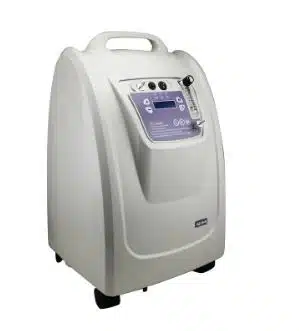
AE Home Oxygen Concentrator
User rating:
Category: Oxygen generator / Respiratory and anesthesia
Brand:
Product Description
A device used to extract oxygen from atmospheric air for inhalation. This device is generally electrically powered and provides an oxygen concentration of approximately 90% to 100%.
Model
|
Introduction and general information AE Home Oxygen Concentrator
The oxygen concentrator, also known as an oxygen enrichment or oxygen concentration device, is one of the most important and essential home medical devices. It continuously supplies the oxygen required by patients with low blood oxygen saturation (SpO2) by concentrating oxygen from ambient air. It is important to note that using an oxygen concentrator is simple and does not require specialized expertise.
Today, with the continuous advancement of technology, new technologies are increasingly being adopted because of their specific advantages, such as reduced environmental impact and pollution, as well as greater economic value. One of the modern technologies used in oxygen generation systems is PSA (Pressure Swing Adsorption). The main component of this system is a material called zeolite, which has numerous unique properties.
The air we breathe consists of approximately 78% nitrogen, 21% oxygen, and 1% other gases. The oxygen concentrator compresses the ambient air and passes it through zeolite molecular sieve beds. Under specific pressure conditions, based on the principle of pressure swing adsorption, nitrogen is separated from the air, providing the patient with medical-grade oxygen with a concentration of more than 95%.
Physicians usually prescribe the amount of oxygen required by patients in liters per minute (L/min).
Types of Home Oxygen Concentrators
Oxygen concentrators are generally available in two types: stationary oxygen concentrators and portable oxygen concentrators, depending on the intended application.
• Stationary Oxygen Concentrator (Home Oxygen Concentrator)
Stationary oxygen concentrators are available with flow capacities of 3, 5, 8, and 10 liters per minute. The 3 or 5 L/min rating refers to the maximum oxygen flow produced by the device. These devices continuously supply the required oxygen through a continuous-flow system. Since most home oxygen concentrators are equipped with wheels, they can be easily moved from one room to another. Patients can also move around their homes comfortably by using long oxygen tubing or nasal cannulas.
• Portable Oxygen Concentrator
Another type is the portable oxygen concentrator, which is designed for patients who need oxygen outside the home. These devices are generally available with capacities of 2, 3, and 5 liters per minute and commonly provide oxygen using a pulse-dose delivery system.
This system uses highly sensitive pressure sensors inside the device to detect the patient’s breathing pattern. The device delivers oxygen during inhalation and stops oxygen delivery during exhalation. This technology helps reduce oxygen consumption and improves the device’s energy efficiency.
The main differences between portable and stationary oxygen concentrators are their size, weight, and the presence of a built-in rechargeable battery. When connected to a 220V household power supply or a 12V vehicle cigarette-lighter outlet, the internal rechargeable battery can be charged and used to power the device when needed.
Product specifications
Selected images
Reviews
There are no reviews yet.